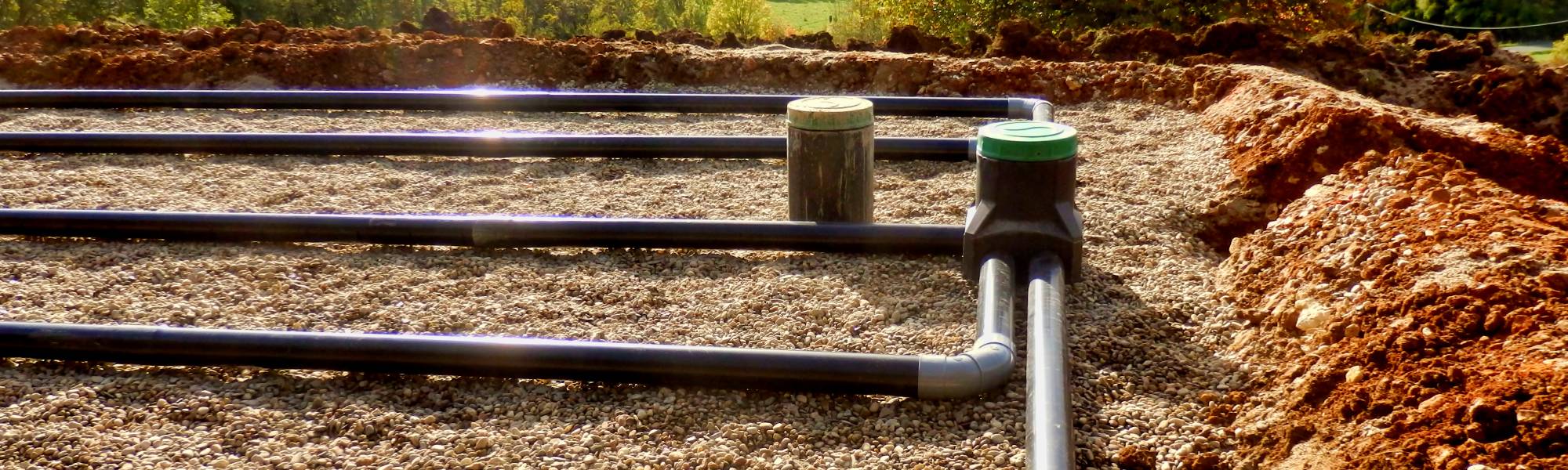
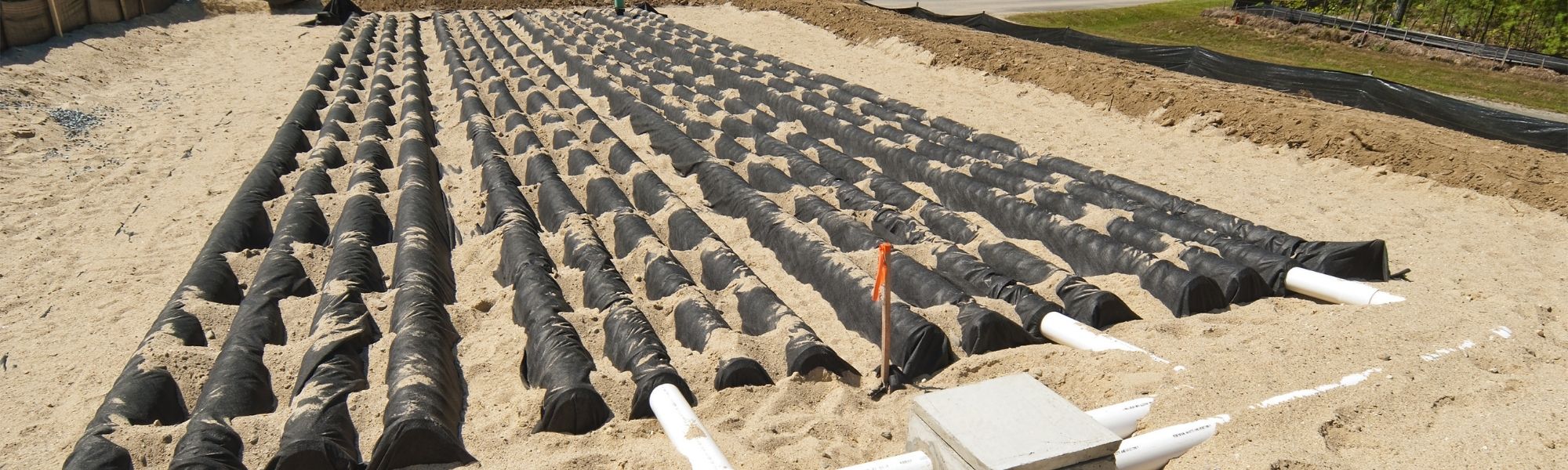
Your septic system’s drain field, sometimes called a leach field, handles one of the most critical steps in the wastewater treatment process. After solids settle and bacteria break down organic matter inside the septic tank, the treated effluent flows out into the drain field, where it percolates through the soil for final filtration before re-entering the groundwater. When the drain field is healthy, this process happens quietly and invisibly. When it starts to fail, the warning signs tend to show up in ways that are hard to ignore.
Catching those signs early can mean the difference between a manageable repair and a full drain field replacement, which typically runs anywhere from $5,000 to $30,000 depending on the system and property. Here are five indicators that something may be going wrong, and what you can do about each one.
1. Slow Drains Throughout the House
A single slow drain is usually just a localized clog. When every drain in the house is sluggish, including sinks, showers, and toilets, the issue is more likely systemic. This pattern often indicates that the drain field is no longer absorbing effluent efficiently, which causes wastewater to back up through the system. You may also notice gurgling sounds from the plumbing, which occur when air gets trapped in pipes due to a downstream blockage.
Before assuming the worst, it is worth ruling out a full septic tank. If the tank was recently pumped and the problem persists, the drain field itself is the more likely culprit.
2. Standing Water or Soggy Ground Near the Drain Field
Puddles, soft soil, or persistently wet patches in the area above or near your drain field are among the most visible signs of failure, particularly when there has been no recent heavy rainfall. This happens when the soil can no longer absorb the volume of effluent being released, forcing liquid to the surface. In some cases, the issue is caused by a cracked or collapsed distribution pipe. More often, it is the result of biomat buildup, a slimy layer of anaerobic bacteria that forms in the soil over time and gradually blocks the absorption pathways that effluent depends on.
Standing water in this area is more than an inconvenience. It can contain untreated or partially treated wastewater, which poses health risks to people and animals and can contaminate nearby water sources.
3. Foul Odors Near the Tank or Drain Field
A properly functioning septic system should not produce noticeable odors at the surface. If you detect a sewage smell or a sulfurous, rotten-egg odor near the tank, the drain field, or even inside the home, something in the system is not processing or venting correctly. The source could be a blocked vent pipe, a failing drain field that is pushing gases back through the system, or effluent surfacing in areas where it should not be.
Odors that come and go with weather changes or heavy water usage days can indicate an intermittent problem that is trending toward full failure. Consistent odors, especially outdoors near the leach field, warrant prompt professional inspection.
4. Unusually Green or Lush Grass Over the Drain Field
It sounds counterintuitive, but a patch of grass that looks significantly healthier than the surrounding lawn is not a good sign when it sits directly above your drain field. That extra growth is being fueled by nutrients in wastewater that is reaching the surface or sitting too close to the root zone instead of percolating deeper into the soil as intended.
This is one of the more subtle warning signs, and it is easy to overlook or attribute to uneven fertilizer application. If the pattern lines up with where your drain field pipes are buried, take it seriously.
5. Sewage Backing Up Into the Home
This is the most urgent sign and the one no homeowner wants to encounter. When wastewater backs up into toilets, showers, or floor drains, it typically means the system has nowhere left to send effluent. The drain field may be fully saturated, severely clogged, or structurally compromised. At this stage, the problem is both a plumbing emergency and a health hazard.
If you experience sewage backup, reduce water usage in the home immediately and contact a licensed septic professional. Avoid contact with the backed-up water, as it can contain harmful pathogens.
What Causes Drain Fields to Fail?
Several factors can contribute to drain field problems, and in many cases more than one is at play. The most common cause is inadequate maintenance. When a septic tank is not pumped on schedule (typically every three to five years), solids can escape the tank and migrate into the drain field, clogging the distribution pipes and the surrounding soil. Over time, this contributes to excessive biomat formation, the single most frequent cause of drain field failure.
Hydraulic overload is another common factor. Running multiple water-heavy appliances simultaneously, having leaky fixtures that send a constant trickle of water into the system, or hosting more occupants than the system was designed for can overwhelm the drain field’s capacity. Tree root intrusion, soil compaction from vehicles or heavy equipment, and simply the age of the system (most drain fields are designed to last 20 to 30 years) also play a role.
What You Can Do About It
How you respond depends on the severity of the problem.
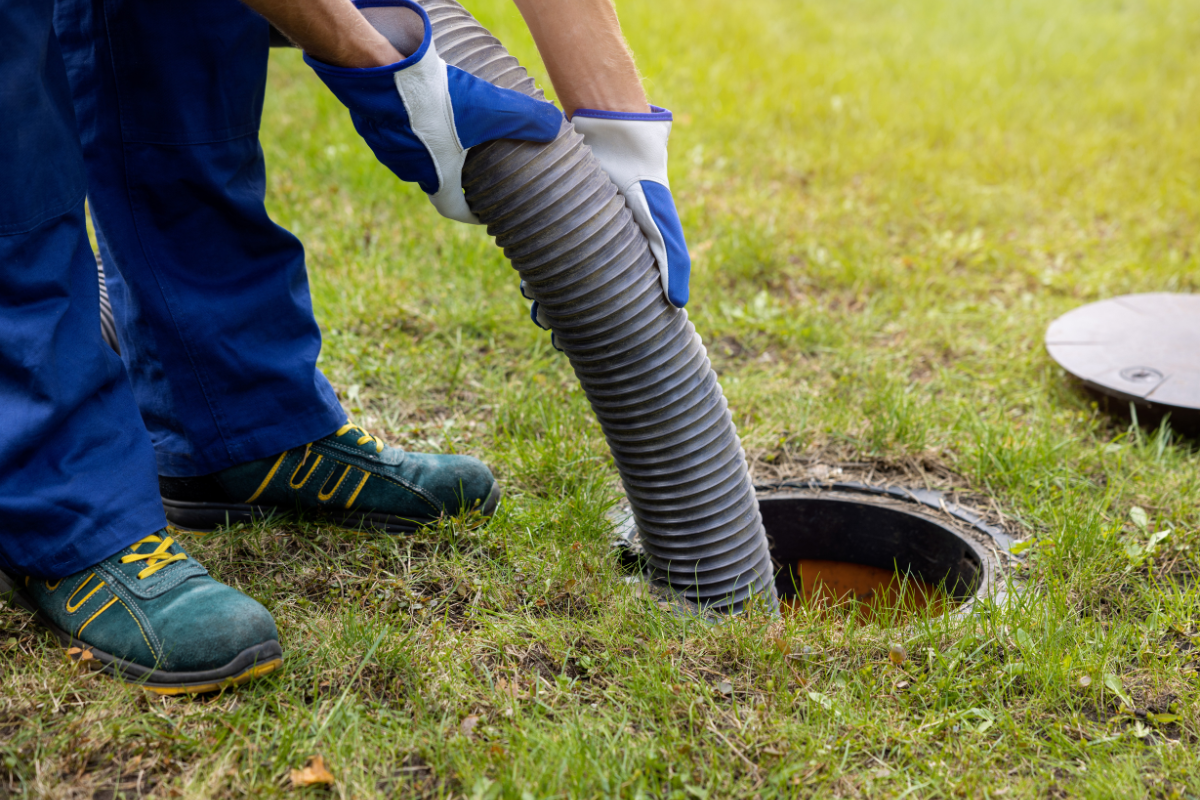
For early-stage issues, start with a professional inspection and have the septic tank pumped if it has not been serviced recently. Reducing household water usage temporarily can relieve pressure on the drain field and give it time to recover, particularly if hydraulic overload is a contributing factor.
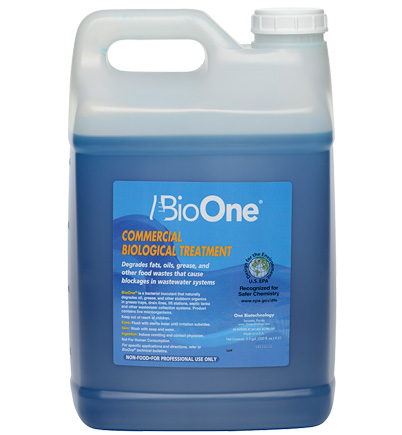
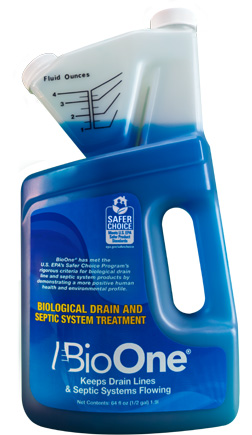
For biomat-related clogging, biological treatments can help. Products containing live, vegetative bacteria, like BioOne, are designed to degrade the fats, oils, greases, and organic matter that feed biomat growth. BioOne’s bacteria fully digest these materials rather than simply liquefying them, which helps restore soil permeability without introducing harsh chemicals that could further damage the system. For drain field applications, Aqua Pro Solutions recommends adding 2.5 gallons of BioOne to a freshly pumped septic tank, followed by an additional 2.5 gallons per 400 square feet of drain field applied directly into the header pipe or distribution box.
For more advanced failures, mechanical interventions such as hydro-jetting or soil fracturing may be necessary. These methods are typically performed by septic professionals and can extend the life of a drain field by several years at a fraction of the cost of full replacement. In cases of complete structural failure, a new drain field may be the only option.
Prevention Is Always the Best Strategy
The most effective way to protect your drain field is consistent, proactive maintenance. Pump the septic tank on schedule. Use biological maintenance products like BioOne monthly to support healthy bacterial activity in the tank and reduce the organic load reaching the drain field. Avoid sending chemicals, grease, or non-biodegradable materials down your drains. Spread out water usage rather than running multiple heavy appliances back to back. Keep vehicles, structures, and deep-rooted trees away from the drain field area.
A failing drain field is a serious issue, but it is not always a death sentence for the system. Early detection and the right combination of professional service and biological maintenance can often restore function and buy years of additional service life.
Browse BioOne products here or call Aqua Pro Solutions at (828) 255-0772 for guidance on the right treatment plan for your system.

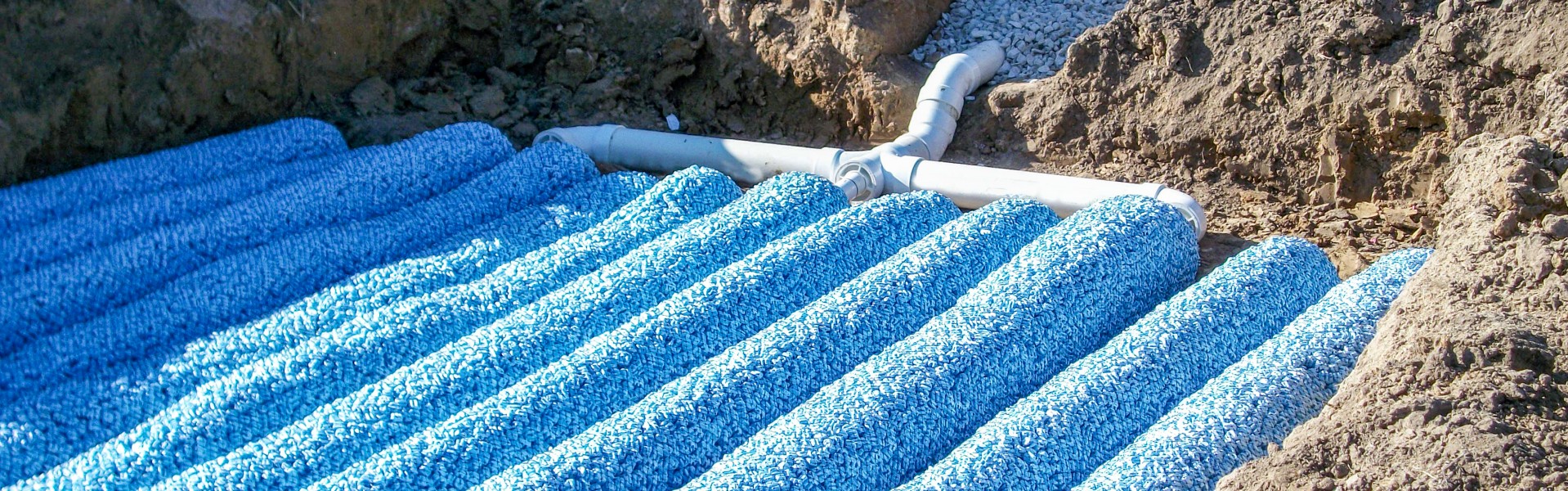



 Residential drain fields are designed to allow the discharged water to percolate through the biomat. Drain fields fail for several reasons: