
Can BioOne be used in an RV Holding Tank?

RV Camper in the Woods

When you were shopping for an RV or camper, you were probably focused on the number of beds, the style of the kitchen, or even the size of the shower. All of these things are an important part of the camping experience, but don’t overlook another essential feature: the holding tank. If it’s working properly, you may even forget about your holding tank, but if it’s not, your RV may not be filled with happy campers. It’s critical to maintain your RV holding tank while you’re out on the road, and BioOne can help.

How to Care for Your RV Holding Tank

At home, what you flush down the toilets and pour down your drains might seem like an “out of sight, out of mind” process. Unfortunately, that’s not the case with your RV or camper toilets and drains, where everything flows into one or two holding tanks with limited capacity. Whatever winds up in the tanks, from wastewater to food scraps, must be dumped from the tanks periodically to avoid back-ups and foul odors.

In order to care for your RV holding tank, you need to be mindful of what ends up in it. When the wrong things make their way into the tank, they can cause clogs and a host of other issues. Be sure to flush only waste, wastewater, and toilet paper down your camper toilets. Things like paper towels, baby wipes, and feminine hygiene items should be thrown away instead. When it comes to your sink drains, stick to water and gentle soaps. Even anti-bacterial soaps or cleaners can throw off the natural balance of the tank and slow the breakdown process.

Your holding tanks will need to be dumped regularly. The exact frequency will be determined by a variety of factors, including the size of the tanks and the number of people using the RV kitchen and bathrooms. As a general rule, though, it’s a good idea to dump your tanks every 4 to 5 days, or when your tank reaches two-thirds capacity. If you need to dump your RV holding tanks before they are filled, add some water to the tank to allow the solids to be flushed away easier.

Flushing your tank helps remove build-up inside it, and it’s just as important as regular dumpings, though it’s not needed as frequently. Consider doing a full tank flush to loosen caked-on waste and debris after every 3 to 5 dumpings.

Why is BioOne a Good Product for Your Tank?

Usually, when it comes to tackling tough cleaning projects, we reach for harsh chemicals. They aren’t the best choice for your RV holding tank, though. When you use caustic cleaners to scrub your camper’s sink or toilet, those chemicals will eventually make their way into your holding tanks, where they will kill off the good bacteria inside.

When the bacteria is no longer present, the waste inside won’t break down quickly. You’re likely to experience foul smells, and you’ll need to dump your tank more often as well. Any harsh products, including cleaners like bleach and ammonia, and other liquids like alcohol should be avoided if possible.

Instead, opt for natural cleaning methods, and be sure to add a bacteria-based product like BioOne to your tanks regularly. Rather than kill off the bacteria inside, when you flush BioOne, it will introduce new bacteria to your holding tank. Once inside, the bacteria will get right to work breaking down and fully digesting the waste inside. The result is a reduction in odors and more time between dumpings for your RV or camper holding tank. (Note, BioOne comes in gallon sizes as well as a dry formula).

Using BioOne in your RV Holding Tank

Whether you’re a weekend camper or a full time RV-er, caring for your RV holding tank should be a high priority. Start by switching up some habits. Avoid flushing anything but wastewater and toilet paper down your toilet, and keep harsh cleaners out of your sink drains too. Dump your tank when it’s about two-thirds full, and consider flushing the holding tank after every 3 to 5 dumps, as well. Using a bacteria-based product will help maintain the natural balance of the tank and may even reduce the frequency of dumpings. The next time you hit the road, bring some BioOne with you to keep your holding tank well maintained throughout your trip and into the future.

Keeping Campground Septic Systems Working

Camper on Campground

Over the past few years, the RV lifestyle has continued to gain popularity, and not just for vacationers. Rather than taking week-long trips to state parks, many are now embarking on full-time life on the road. With so many new campers pulling up to your dump stations, it’s important to make sure they are functioning properly. Otherwise, you won’t just have a big mess on your hands, but some unhappy campers, too! Fortunately, it’s fairly easy to keep your septic system functioning properly, as long as you institute some safe septic habits.

Things that may Harm Campground Septic Tanks

Your dump station and septic system are designed to effectively break down solids in wastewater, but some things cannot be so easily broken down. While it’s likely that things like baby wipes, paper towels, and food scraps will make their way down the tanks of campground visitors, there’s a chance that doing so could cause damage to your septic system as a whole.

Unlike wastewater and some types of food scraps, these things cannot be broken down in the tank. Instead, they float in the wastewater and could easily find their way into the leach pipes that remove the water from the tank and disperse it in the drain field. Fortunately, many experienced RVers know that flushing things down the toilet or pouring grease down the drain isn’t good for their tank or your dump station. However, it’s wise to make sure that all campers have easy access to trash cans or dumpsters, especially at the dump site, to discourage flushing anything away.

Your septic system relies on bacteria within the tank to break down the wastewater inside. Harsh chemicals in RV toilets, showers, and sinks, as well as products used to clean and sanitize the dump station itself, have the potential to kill off the good bacteria in the tank. This leads to more frequent tank pumpings and potential clogs in the leach field.

Bacteria-based cleaners have the opposite effect on the tank. Rather than killing off the bacteria inside, they add bacteria into the tank. As soon as the new bacteria is introduced, it goes right to work fully digesting wastewater—including fats, oils, or greases (FOG)—inside the tank. With the frequent use of bacteria-based products, you can actually reduce the frequency of pumpings your dump station will need over time and decrease the likelihood of clogging the system. Unfortunately, you can’t control the cleaning products your visitors use inside their campers, but you can add bacteria-based products directly into your dump station to promote healthy bacteria growth inside your septic tank.

How to Properly Maintain Campground Septic Systems

Even with the best septic habits, increased use of the dump station will require frequent cleaning of the septic tank. This is especially true during your busy season, when the tank may become overloaded with continued use. If this happens, you may notice backups in the system or a strain on the drain field. Check sludge levels often, and be sure to have the tank pumped when the levels rise to capacity or dip lower toward the drain outlet pipe.

The dump station and septic system rely on an effective leach field to function properly. So, when the leach field and drain pipes are damaged, it could result in major issues and costly repairs. You may even need to shut down your dump station for a time, which could directly impact your visitor experience.

To prevent issues in your leach field, protecting the area should be a top priority. While walking over the leach field won’t cause any damage to the system, driving or parking vehicles, especially RVs and travel trailers, could result in broken drain pipes. Be sure to close the area off to vehicles and heavy machinery.

Planting trees or bushes around the septic system can also lead to damage. Even if something isn’t planted directly over the leach field, roots of nearby trees and bushes could grow into the system over time. Consider removing existing vegetation around the tank, as well, to reduce the risk of breakage in the future.

Maintaining your Campground Septic System

It’s probably not the most exciting feature of your campground, but the dump station plays an important role in the camp experience. Be sure it’s functioning properly by following a few simple tips. Flushing anything but wastewater and septic-safe toilet paper can lead to clogs in the septic system, so encourage campers to throw away trash, rather than flush it. Add good bacteria to the tank often to aid in the breakdown of waste and FOG, and pump the tank when sludge levels rise. Protect the area around the septic system and leach field, as well, to keep everything functioning properly. These tips will keep your campers happy for years to come!

What Cleaning Products are Safe for Septic Tanks?

Water Running Down a Drain

If you own a home with a septic system, you’re well aware of the objects that shouldn’t go down the drain. Paper towels, for instance, won’t break down and could easily clog your pipes, and pouring grease down the drain could have similar results. Did you know, though, that cleaning products, from laundry detergents to toilet bowl cleaners, could also damage your septic tank and leach field? Knowing which cleaning products to use—and which ones to avoid—is essential for maintaining your septic system.

Types of Cleaning Products to Avoid

The sludge inside your septic tank should be broken down before it makes its way through the outlet pipe and into the leach field. To do this, the septic system is designed to utilize bacteria within the tank. Unfortunately, many cleaners that may be safe to use in other households will destroy bacteria in your tank, making it difficult for waste to break down and increasing the likelihood of clogs.

Bleach, for instance, is a disinfectant, which means it’s designed to kill bacteria. That may sound ideal for scrubbing a dirty toilet, but once it’s flushed down, the bleach will begin to kill off the good bacteria in your tank. Ammonia is another popular cleaner that is not recommended for use in homes with septic tanks.

Drain cleaner is another culprit for killing off good bacteria. While it can be frustrating to deal with a clogged drain, reaching for a powerful drain cleaner could cause more frustration once it reaches your septic tank. In addition to throwing off the natural balance within the tank, foaming cleaners can actually do damage to the tank itself as well. One good rule of thumb is that if you need to wear gloves to handle the product, it probably isn’t safe for your septic system.

Types of Cleaning Products to Use

If you’re wondering about the safety of a particular store-bought cleaner, check the labeling. Most septic-safe cleaners include a logo to indicate they can be used in homes with septic systems, though even if something is considered safe, it still may not be the best choice. Instead, take a look at the ingredients list. If the first thing listed is water, it’s likely safe to use. Many disinfectants, bathroom cleaners, and even laundry detergents are now water-based.

You may actually have several septic-safe cleaners in your home, without needing to go to the store. Natural cleaners are not only good for the environment, they are effective and safe for your septic system as well. You’ve probably heard of using white vinegar and baking soda, but lemon juice, salt, and even borax have natural cleaning properties that won’t kill off the good bacteria in your septic tank.

Fortunately, there is another option that isn’t just safe for septic tanks, but beneficial too. Bacteria-based cleaning products introduce more good bacteria into your septic tank. Once inside, the bacteria get to work to completely digest fats, oils, and greases, or FOG, inside the tank. Think of it as a probiotic for your septic tank, as it helps to maintain a healthy balance of bacteria in the tank and keeps the system functioning properly.

Why it’s Important to Select Septic Safe Cleaning Products

Solid waste, including FOG, creates a layer of sludge that floats at the top of the tank. When there aren’t enough good bacteria to completely digest this layer of sludge, it could make its way into the outlet pipe that leads to your leach field, clogging the pipe and causing damage to the entire system. You’ll also need to pump your septic tank more frequently to remove the growing sludge layer.

One more reason to consider the cleaning products you use is the environmental impact. Everything that is flushed or poured down the drain will make its way to your tank, and then eventually to your leach field and yard. The tank will not filter out chemicals and toxins, so those, too, will filter into your yard, which may be a concern for your family and pets. On the contrary, natural and bacteria-based cleaning products are safe for everyone.

Don’t Damage Your Septic Tank with the Wrong Cleaners

As you select septic-safe toilet paper and avoid dumping coffee grounds down the drain, consider your cleaning products as well. Harsh chemicals like bleach and ammonia will kill off important bacteria and allow sludge to build up in your tank. They’ll also eventually leach into your yard. Instead, purchase water-based cleaners, or, better yet, make your own from natural products. Then, add good bacteria to your tank by using a bacteria-based product. They will then safely begin to break down the solid waste and FOG inside the tank, which will reduce the likelihood of clogs and may even allow you to pump your tank less frequently. Opting for safe cleaning products will help your septic system operate properly for years to come.

Should I Use Commercial Chemical Drain Cleaners with a Septic Tank?

Pouring Cleaner Down Drain

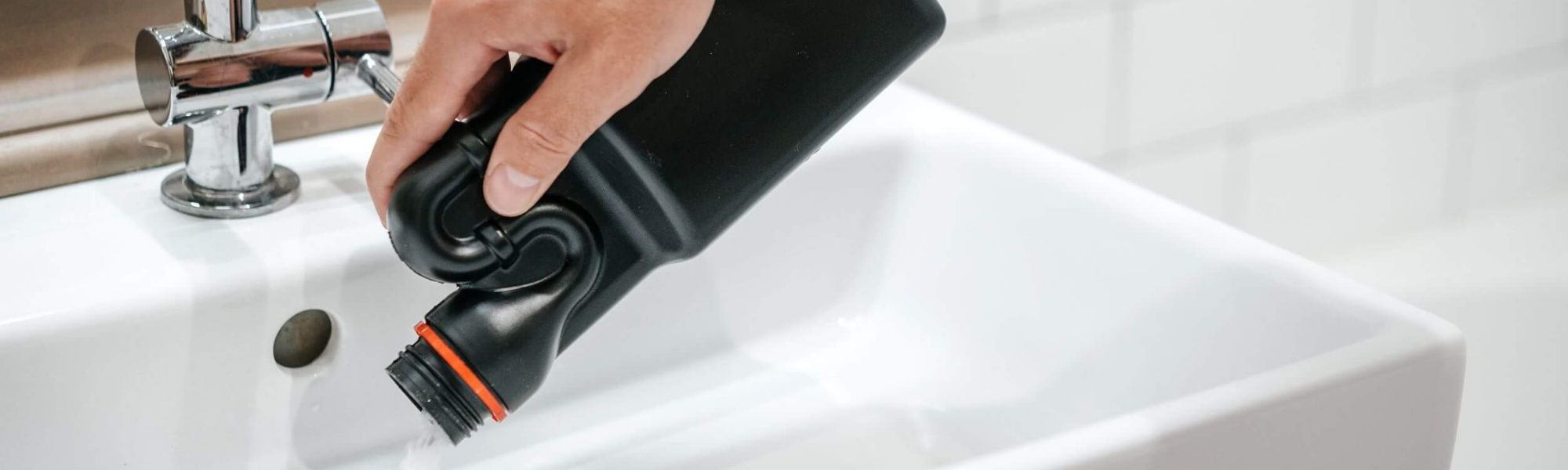
     Most homeowners will experience a clogged drain from time to time, whether they have a septic system or not. The solution, however, may not be the same for everyone, especially those with septic tanks. Many commercial chemical drain cleaners say on their label that their product is safe to use with septic systems, but should you really be pouring it down your drains? You should probably consider other options. Read on to learn more.

How Your Septic Tank Functions

     When you flush your toilets or wash your dishes, wastewater flows through your home’s pipes and into your septic tank. There, bacteria break down the solid waste, including fats, oils, and greases (or FOG). Liquid waste then continues through drain pipes and into the leach field. When bacteria aren’t present to break down the solid waste, it will build up and eventually need to be pumped to avoid clogs in the leach field or sewage backups in your home.

Are Commercial Chemical Drain Cleaners Safe for your Septic Tank?

     Commercial chemical drain cleaning products often advertise that they are septic safe, but experts disagree with their safety. In fact, Craig Mains, an Engineering Scientist at the National Environmental Services Center strongly discourages the use of these cleaners in homes with septic systems. He states, “Using commercial chemical drain openers to unclog drains is not recommended for homes that are on septic systems.”

     That’s because the ingredients in these chemical cleaners are dangerous to the natural balance of your septic tank. Ingredients like bleach, lye, aluminum, and salt are used in these products to create a chemical reaction that eliminates clogs in your pipes. Unfortunately, when these components make their way into your septic tank, they immediately begin to kill off essential bacteria. All it takes is half an ounce to destroy the bacteria, but these product labels recommend using 16 ounces or more to clear a clog!

     While your clog may be resolved through the use of these chemical cleaners, the problem will now move to your septic tank. Without bacteria there to fully digest sludge and FOG, the waste in your tank will accumulate, but not be able to exit the tank and flow into your leach field. Solids that do make it into the leach system could create clogs that require costly repairs. You may also begin to notice sewage backing up into your home.

Safe Methods for Unclogging Drains

Fortunately, there are a number of safe ways to unclog a drain that will not cause damage to your septic tank:

  • Use a plunger: If you are using the plunger somewhere other than a toilet, like a bathtub or sink, find the overflow hole and cover it with a washcloth before plunging.
  • Pour boiling water down the drain: Small clogs, especially those caused by soap or grease, can often be easily cleared with boiling water.
  • Use baking soda and vinegar: This method employs a chemical reaction like the commercial drain cleaners, but the ingredients will not kill off the bacteria in your septic tank! Pour a cup of baking soda down the drain, followed by a cup of vinegar. Cover the drain and wait 30 minutes before flushing with hot water. 
  • Manually clear the clog: Stubborn clogs may require a little elbow grease. A barbed wand or a plumber’s snake can often help dislodge the clog and allow wastewater to flow freely again. If none of these methods work to clear your drain, it’s likely time to call a plumber.

Maintaining Your Septic System

     Dealing with clogs can be a pain, but there are things you can do to maintain your septic system now and avoid costly repairs later. First, be mindful of what you put down the drain or flush down your toilets. Don’t dispose of oils and greases in the kitchen sink, and only flush waste and toilet paper. Even flushable wipes should be avoided when you have a septic system.

     To keep your septic system functioning at peak performance, use an all-natural bacterial-based product regularly. When additional bacteria are introduced to your tank, waste and FOG will be more easily digested, reducing clogs and issues elsewhere in your septic system. You may also be able to go longer periods between pumpings. However, it’s always a good idea to have your septic system inspected once a year.

What Goes Down the Drain Matters

     A clogged drain can be frustrating. Commercial chemical drain cleaners may seem like a quick fix, but it’s likely to cause more problems in the long run. Your septic tank relies on bacteria to break down and fully digest solid waste, but the ingredients in these products actually kill off the bacteria before they can do their job. Instead of reaching for chemical-based cleaners, try using a natural method. Then create healthy septic habits, like watching what you put down the drains, and having your septic system inspected yearly. Be sure to use a bacteria-based product regularly as well, to promote the natural balance of your septic tank and keep it running efficiently all year long.

What is the Cost of Cleaning a Septic Tank?

Guy Cleaning out Septic Tank with Hose

     It may seem like a good idea to forgo septic tank maintenance once in a while, particularly if your system seems to be working fine. While you may save on the cost of cleaning or pumping your tank, it could end up costing more in the long run when problems arise. Instead, it’s best to focus on maintaining your tank through regular cleaning and other strategies.

Factors that Determine the Cost to Clean your Septic Tank

     The cost to clean a septic tank can vary throughout the country, and even neighbors may pay very different costs for septic tank cleanings. That’s because several factors are at play. The size of your home, for instance, has likely dictated the size of the tank. While average septic tanks run between 750 and 1,250 gallons, owners of larger tanks can expect to pay significantly more. The location of the tank on the property also plays a role in determining cost. A tank that is easily accessible will accrue less cost than one with an obstructed access point. The age of the tank itself and the level of waste inside the tank will also influence the cost of the cleaning.

Pumping vs Cleaning a Septic Tank

     Many homeowners think that cleaning the septic tank and pumping it are essentially the same thing, though the two are not actually interchangeable. When a septic tank is pumped, this means that all the liquid in the tank is removed, along with some of the sludge and floating solids, though much of the sludge is left in the tank. A septic cleaning, on the other hand, involves the removal of all the liquids and solids in the tank.

     The size of the tank is the biggest factor in determining the cost of septic pumping. Typically, you can expect to pay around $0.30 per gallon, in addition to the cost of inspection, which is commonly conducted at the same time. On average, homeowners pay around $380, with smaller tanks costing as little as $250 and larger tanks running as high as $1,300. While the cost to pump a larger tank is higher, it will typically need to be pumped less frequently than smaller tanks.

     Like the cost of pumping, cleaning costs are dependent on the size of the septic tank itself. For a 1,000-gallon tank, homeowners can expect to pay around $400 to $1,000, including inspection and assessment. Cleaning for tanks under 750 gallons could cost as little as $75 if they are easily accessible and in relatively good condition. Larger tanks may cost up to $750 to clean.

Maintain Your Septic Tank

     While the cost to pump or clean a septic tank may seem steep to homeowners, it’s better to stay on top of this necessary maintenance. Failing to do so could result in the need for septic tank repair or replacement, costing much more money in the long run. Depending on the repair, homeowners can expect to pay anywhere from $700 to $3,000 to get a septic tank up and running again, and replacing the pump inside the tank could cost as much as $1,400. Rather than pay repair costs, focus on maintenance.

     In addition to conducting regular pumping or cleaning, there are some things you can do to maintain your septic tank. First, pay attention to what goes down your drain. Only flush wastewater and toilet paper, and avoid putting fats and oils down the kitchen sink. Doing this will reduce the amount of sludge and solid particles in the tank, allowing for liquid to flow more freely through the outlet pipe and into the leach field.

     Septic tanks rely on a natural balance of bacteria and enzymes, which break down the solid waste within the tank. Common drain cleaners, bleach, and other chemicals actually kill off bacteria. This results in more sludge and the need for more frequent pumping. Consider using a bacteria-based cleaner instead. These products will introduce more healthy bacteria into your tank. Once there, the bacteria will completely digest fats, oils, and greases (FOG), drastically reducing the likelihood of clogs and the need for pumping or cleaning your tank.

The Cost to Clean Your Septic Tank

     Because costs can vary by region, size of the tank, and the location of the tank, it’s best to talk to your local septic company for more exact pricing. However, the average cost to pump a septic tank is around $380, while the average cost to clean a tank is between $400-$1,000. Overlooking this basic maintenance could end up costing you even more if your tank needs to be repaired or your pump needs replacing. In addition to cleaning or pumping your tank on a regular basis, be mindful of what goes down your drains and avoid chemical cleaners. Instead, opt for a bacteria-based drain cleaner. Once the bacteria is introduced to the tank, it will get right to work digesting FOG, which should reduce the need for pumping and repairs in the future.

The Best Way to Maintain Your Septic Tank

Septic Tank In Ground - New Install

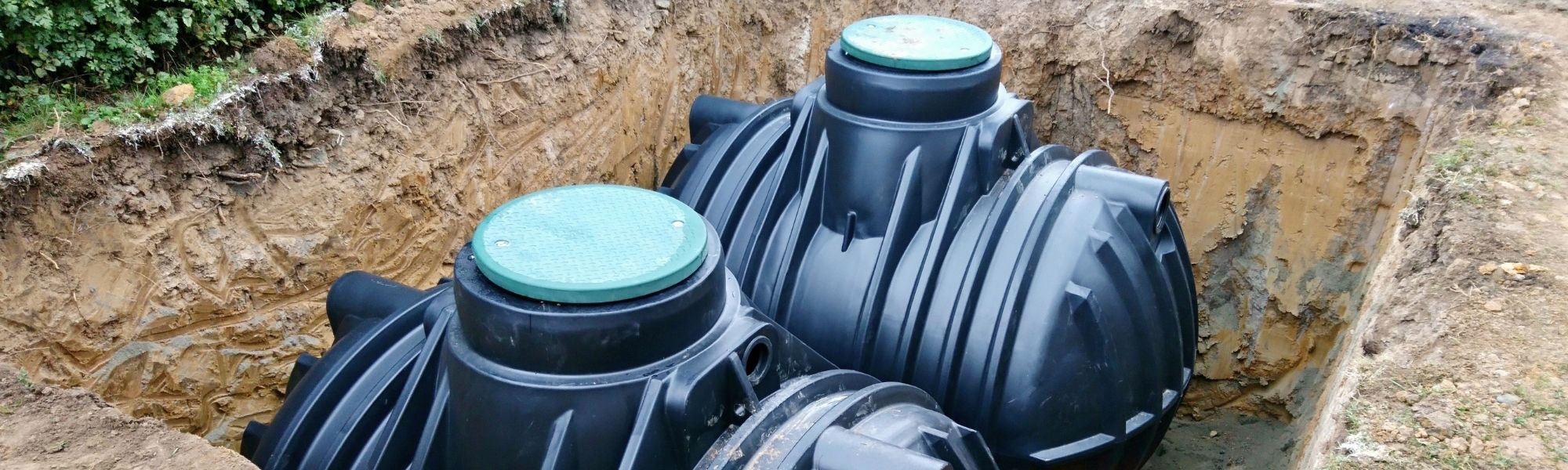
If you have a septic tank, you’ve probably heard about the high costs to replace your system, and maybe you’ve even experienced some expensive repairs yourself. Rather than waiting until your system fails and costs start to add up, however, focus on maintaining your septic tank to avoid repairs. Read on to learn more about the best ways to maintain your septic tank.

Septic Tank Misconceptions

Misconception #1: Septic Tanks Take Care of Themselves

     In a perfect environment, with best practices in use, it’s true that septic tanks can work well with less frequent intervention. However, even the smallest change to the environment of your septic tank can throw off the bacterial balance, and good habits can be hard to keep one hundred percent of the time. For this reason, regular maintenance and pumping of your septic tank are essential to extending the lifespan of your system and reducing the need for major repairs.

Misconception #2: It Doesn’t Matter What Goes Down the Drain

     In order to break down waste effectively, septic tanks need a natural balance of microbes and enzymes. When harsh chemicals like drain cleaners, solvents, and disinfectants make their way into the tank, these valuable microbes are killed off, which means waste is not properly eliminated and clogs are more likely to occur. Other waste, like grease and certain paper products, can create issues as well. Rather than flushing these items, consider using the trash, and limit what goes down the drain to wastewater and sewage.

Misconception #3: Clogged Septic Tanks Need to be Replaced

     It’s always better to prevent a clog than to repair it, but a clogged septic system doesn’t necessarily need to be replaced. Jetting is the process of installing access ports to the ends of inlet lines and using pressure to clear the lines. Having your system pumped and jetted by a septic tank technician helps to clear clogs and prevents the need for more costly repairs or replacement.

Misconception #4: Septic Systems Don’t Last Longer than 20 Years

     There is no set lifespan for your septic tank. Instead, how the system is treated and maintained determines how long it will last. In fact, a well-maintained system can last well over 20 years! To keep your septic tank running well into the future, control what goes down the drain, pump and jet regularly, and keep roots from growing into the lines.

Misconception #5: Only Enzyme-Based Products Work for Septic Tank Maintenance

     Biological cleaners are not only better for the environment than harsh chemicals, they often work better too. Enzyme-based cleaners have been a popular choice for years, but they may not be the most effective green cleaner for septic systems and drains. While they act fast to break down fats, oils, and greases (FOG), they only liquefy the waste. The liquid waste may make its way further down the pipes, but it could solidify again, causing yet another clog. Consider using a bacterial cleaner instead. Rather than liquifying FOG, bacterial cleaners completely digest it, reducing the risk of clogs in tanks or leach beds..

The Cost of Repairing or Replacing a Septic Tank

     According to HomeAdvisor.com, the average cost of a septic tank repair is $1,732, which is certainly less than the cost to replace it, but maybe avoidable with the right home habits, and even some DIY solutions. For example, bacteria may need to be added to your system to break down the waste. A septic repair company may charge between $400 and $600 for this, but you can purchase a bacteria-based cleaner and add it to your system for significantly less. The average costs of some other common septic repairs are:

  • Responding to Call-$200
  • Baffle repair-$300-$900
  • Pump repair-$400
  • Line repair-$1,100-$4,200

     When it comes to replacing your septic system, the costs can add up quickly. The tank itself will run anywhere from $600-$4,000, according to HomeAdvisor.com. Then you’ll need to pay for additional items like gravel, fill dirt, and topsoil, which can cost up to $1,000 on average. Depending on the building codes for your state, you may also need a licensed plumber, in addition to your septic installer, to ensure the pipes are connected properly.

How to Keep Your Septic Tank Healthy

    Repair and replacement costs may be high, but fortunately, there are some things you can do to keep your septic tank functioning properly. Forming these good habits today will help your septic tank working for years to come. They include:

Pumping your Septic Tank Regularly

     People often wait until major problems arise to think about pumping their septic tank. While the right bacterial cleaner can help keep scum and gunk to a minimum, the levels will naturally rise after a few years, and more frequently if harsh chemicals are used. Yearly inspections of your septic tank are highly recommended. If scum and gunk have risen too close to an outlet drain, the tank should be pumped. If not, it could flow into leach fields and create additional, and often more costly, problems.

Think about what you Put Down the Drain

     When it comes to septic tanks, it’s not out of sight out of mind. Everything that gets flushed down the toilet will end up in your tank and eventually your leach field. While toilet paper is designed to break down in your septic tank, other paper products, including paper towels and even wet wipes advertised as flushable, can wreak havoc on your septic system in a short amount of time. Avoid certain food items as well. Grease, for example, can solidify and cause clogs, and even coffee grounds can resist break down in the tank.

Use Bacteria-Based Additives Instead of Harsh Chemicals

     Your septic tank relies on bacteria and microbes to break down waste. When harsh chemicals and cleaners are used, you can not only do damage to your pipes, you can also throw off the natural pH balance of the tank. The bacterial additives available today are just as effective at unclogging drains as the harsh chemicals, without the consequences. Using a bacteria-based cleaner will help your entire septic system to work at peak performance

Maintaining your Septic Tank

    Even if you don’t think about your septic tank on a daily basis, it’s constantly performing a critical job for your home or business. Because your septic tank is an essential part of your daily life, it’s important to maintain it. Be sure to pump your septic tank regularly, at least once every few years or more frequently if scum and gunk rise to the level of your outlet drain. Consider what goes down your drain as well. Use septic-safe toilet paper and avoid flushing paper towels and wet wipes, even if they are advertised as flushable. Finally, swap your harsh chemicals for bacteria-based additives to help support the natural balance of your septic tank. These best practices will ensure that your septic tank works for years to come.

How BioOne Works in Septic Systems

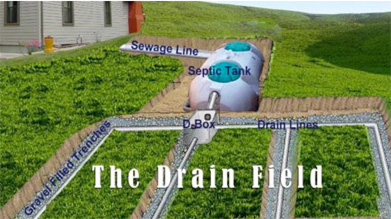
drain field septic systemSeptic systems require live bacteria to consume, digest, and degrade grease, oil, and other organic matter so that proper functioning can be maintained. When a septic system is properly maintained, the connected drain field can also function according to design.

Subjected to bleaches, detergents, and other chemicals, naturally occurring bacteria struggle to survive and keep up with the influx of waste in residential and commercial septic systems.

Liquid BioOne is formulated to work in the harsh conditions of septic systems. BioOne requires no pH neutralizing and is performance ready. BioOne contains no added enzymes or other emulsifying agents which only liquefy solid waste. BioOne’s bacteria eat and digest the solid waste without the unbalanced action of enzymes or surfactants.

The most effective way to maintain a septic system is to inoculate the tank with BioOne immediately after pumping.

After your septic system has been pumped: Your technician will add BioOne directly into the clean tank.

To properly maintain your septic system: Between pumping, follow the instructions on the label of the 64 oz. BioOne that your technician has left with you.

For additional information on Aqua Pro, check out our RateItGreen profile located here.