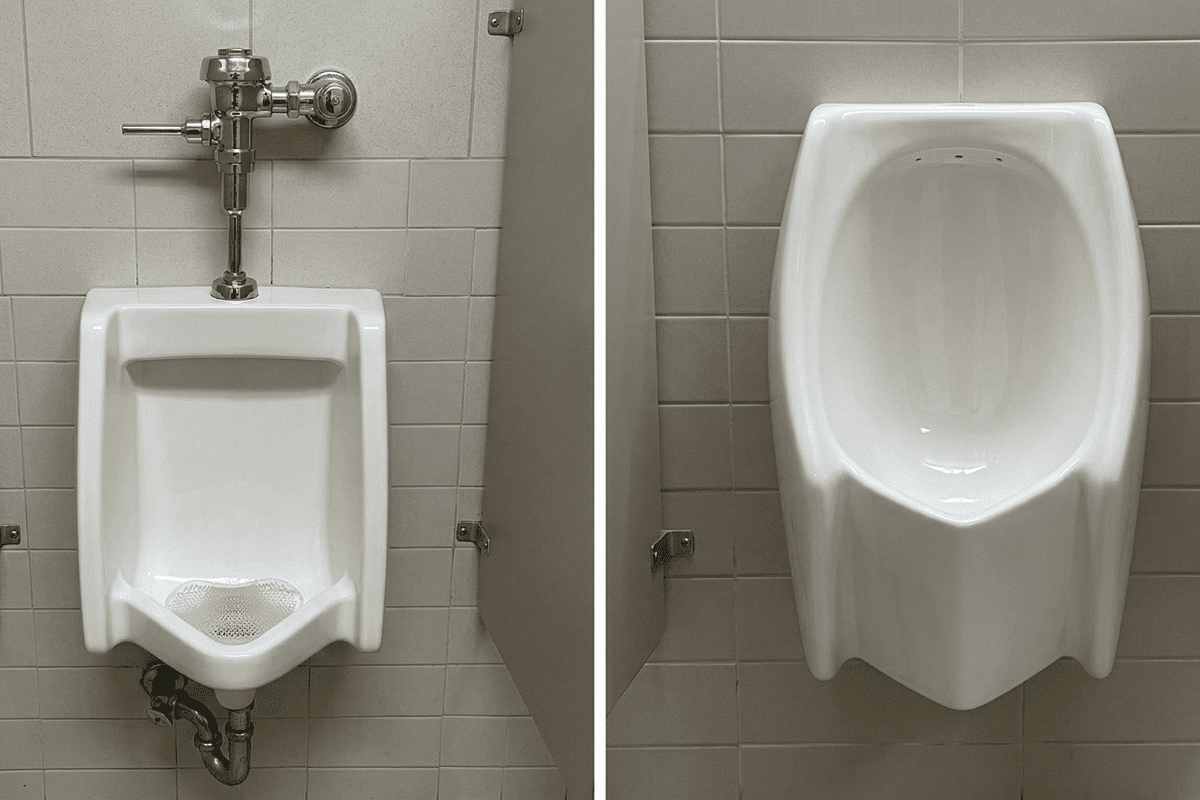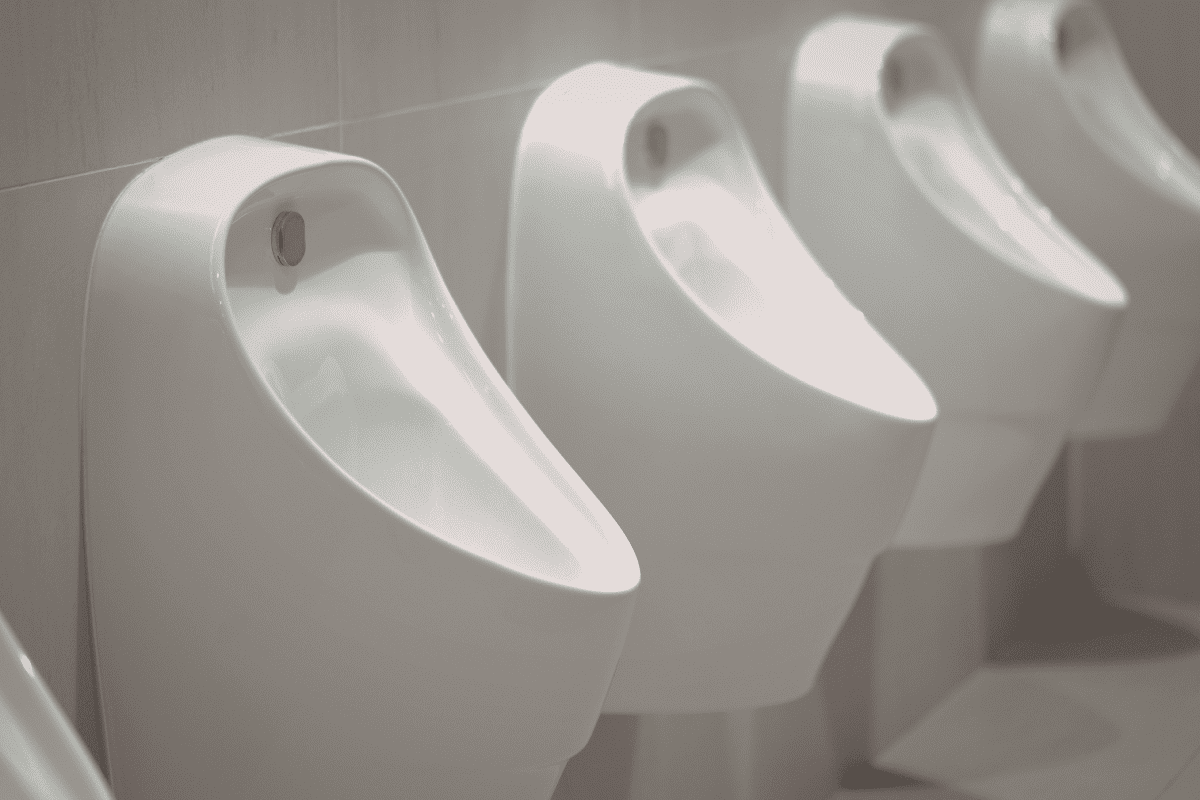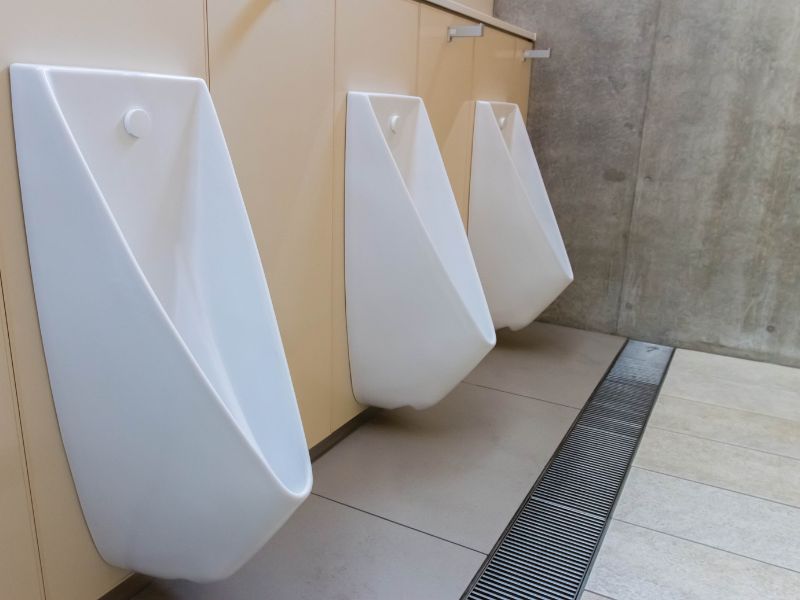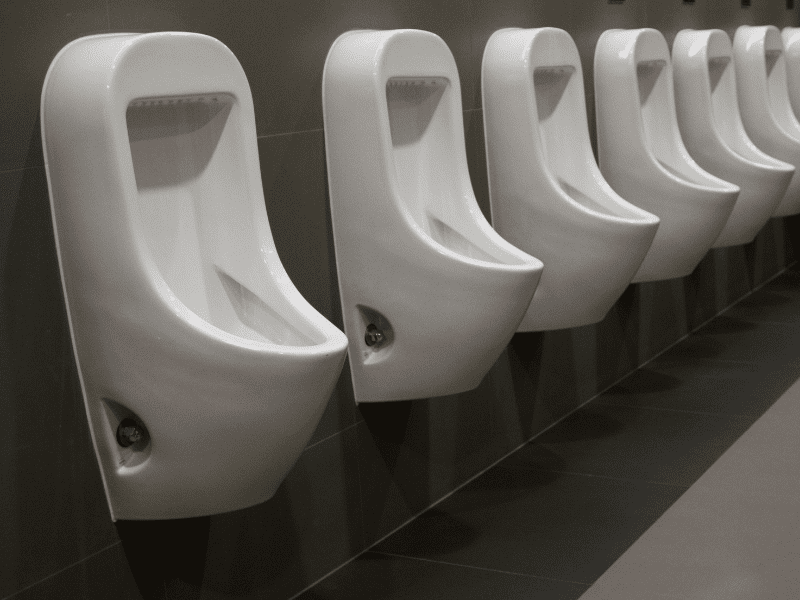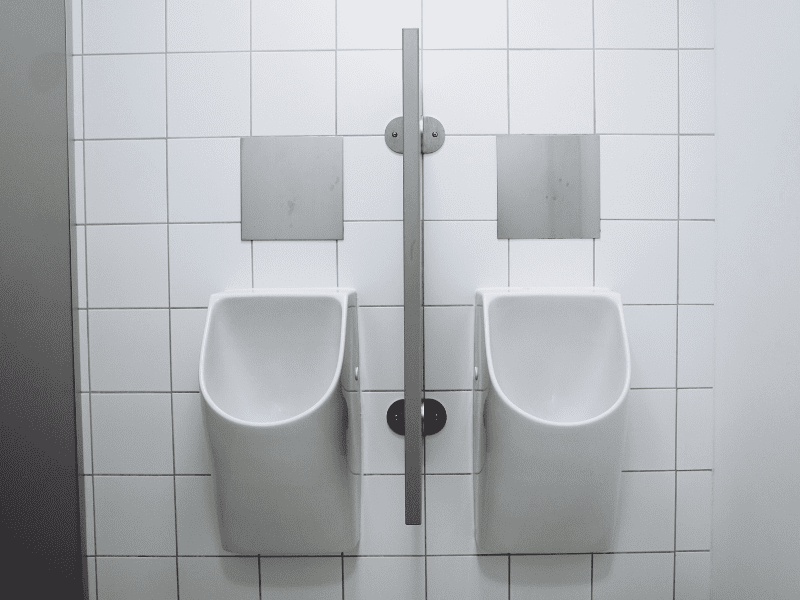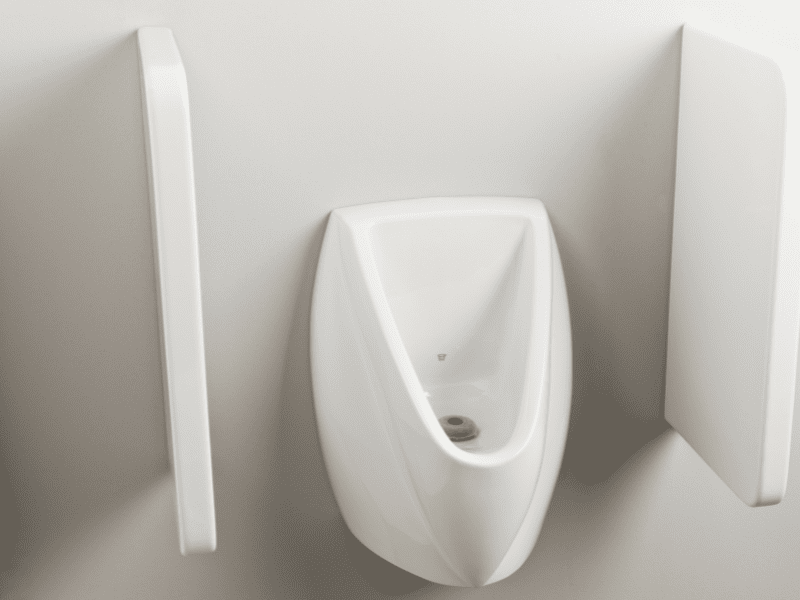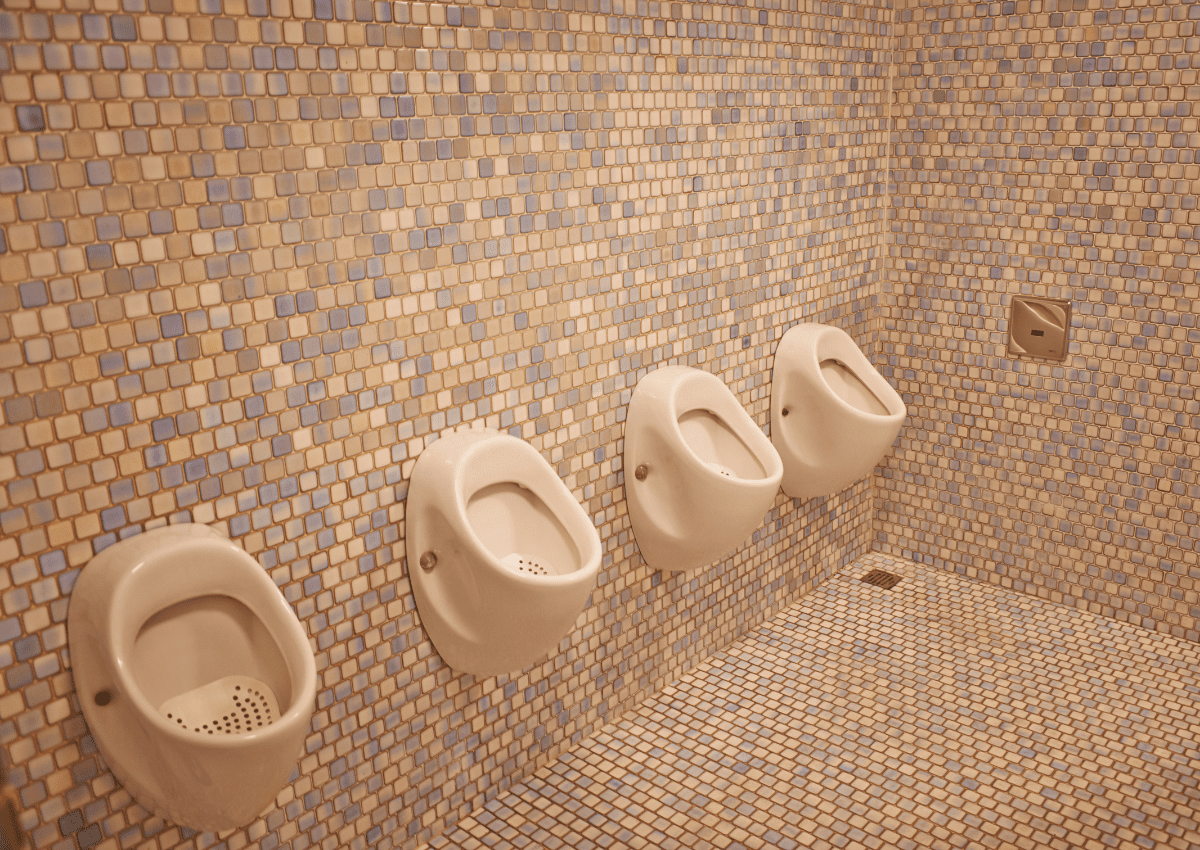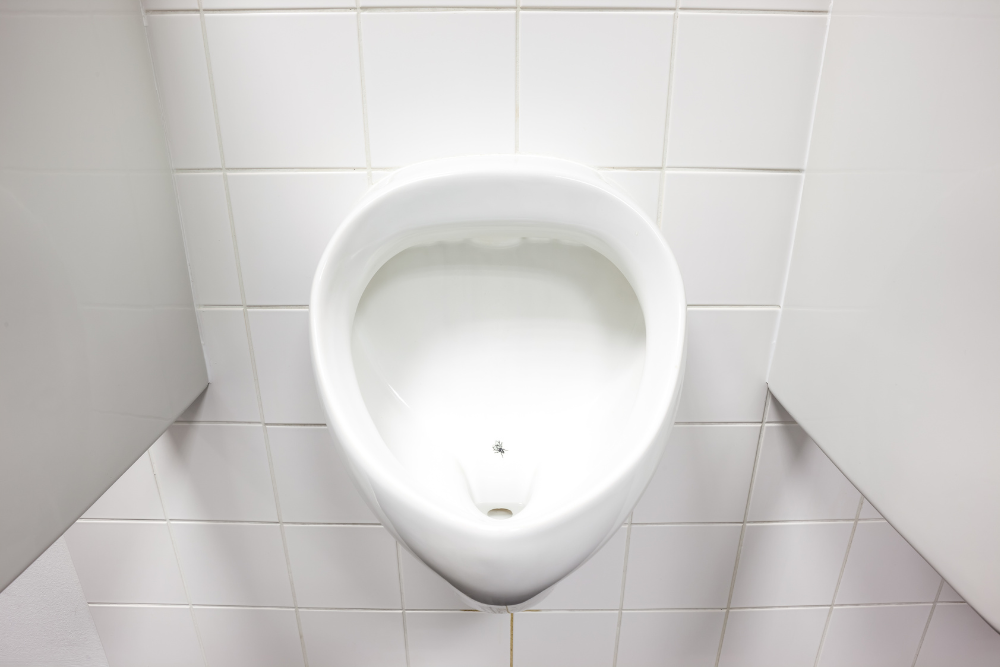
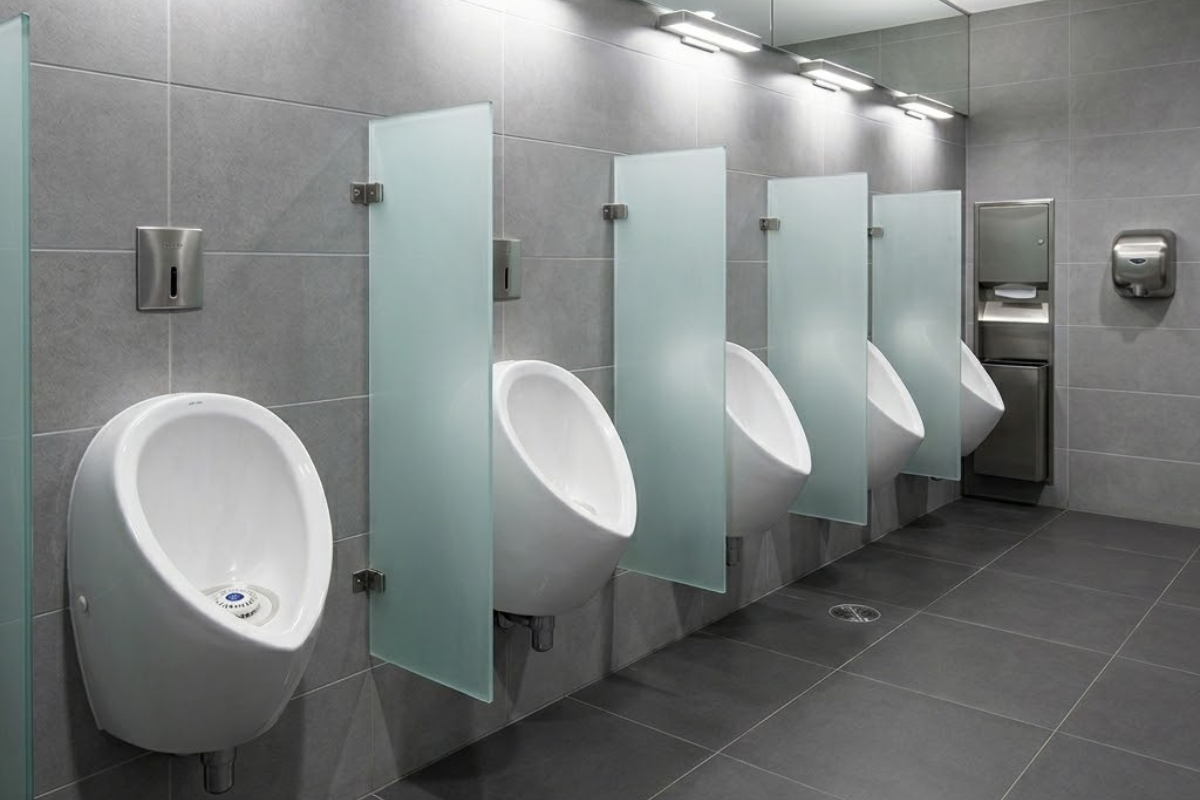
For facility managers, building owners, and sustainability teams, restroom fixtures are not usually the first thing that comes to mind when looking for operational improvements. But they probably should be. Urinals account for a significant share of indoor water consumption in commercial and institutional buildings, and in high-traffic facilities, that share can reach as high as 42% of total water use. Waterless urinals have been gaining steady traction across commercial real estate, education, healthcare, and hospitality for exactly this reason.
Here are five of the most impactful benefits that waterless urinals bring to a commercial restroom environment.
1. Significant Water Savings
This is the most immediate and measurable advantage. According to the EPA, a single conventional urinal in a typical office building can use upward of 26,000 gallons of water per year. Older fixtures still found in many buildings consume anywhere from 1.5 to 5 gallons per flush, far above the current federal standard of 1.0 gallon per flush.
A waterless urinal uses zero. In a facility with 10 urinals, that represents up to 260,000 gallons saved annually. For a building with 50 fixtures, the figure climbs to 1.3 million gallons per year. Those numbers translate directly into lower water and sewer bills. Depending on local utility rates, facilities can save anywhere from several hundred to nearly a thousand dollars per fixture per year. In regions facing drought conditions or rising water costs, the financial case becomes even more compelling.
2. Lower Maintenance Costs and Fewer Repairs
Traditional urinals rely on a series of mechanical components that all require ongoing attention. Flush valves contain diaphragms, regulators, and seals that wear out over time. Sensor-operated models add electronics that need calibration and eventual replacement. Leaks from worn gaskets, failing wax rings, or cracked supply connections generate service calls and, in some cases, water damage.
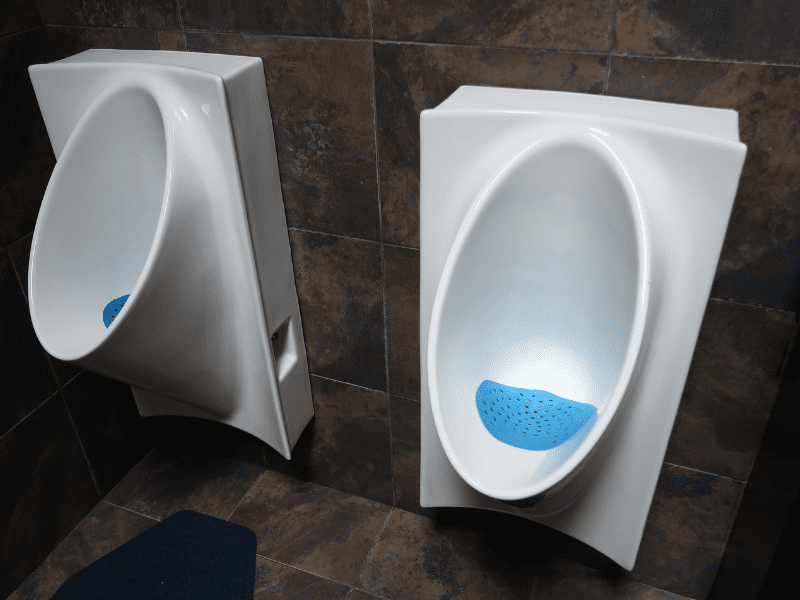
Waterless urinals eliminate these failure points entirely. There is no flush valve, no sensor, no water supply connection, and no diaphragm to replace. The fixture connects only to a drain line. Maintenance is limited to routine cleaning (a daily wipe-down with an approved, non-abrasive cleaner) and periodic replacement of the drain insert or cartridge. Oil-barrier inserts are typically rated for around 15,000 uses, and mechanical inserts like the Purleve EnviroSeal can handle up to approximately 45,000 uses before a change is needed. For most moderate-traffic restrooms, that means one or two replacements per year.
The result is fewer service calls, less time spent on restroom repairs, and a more predictable maintenance budget.
3. Improved Hygiene
Traditional urinals create a hygiene challenge that is not always obvious. When a urinal flushes, the force of the water aerosolizes small particles of urine and bacteria, dispersing them into the surrounding air and onto nearby surfaces. This contributes to persistent restroom odors and increases the cleaning burden for custodial teams.
Waterless urinals eliminate this dynamic completely. With no flush, there is no aerosolization. Urine flows by gravity through the bowl’s sloped, nonporous surface and into the drain insert, where an oil barrier or mechanical seal prevents sewer gases from entering the restroom. The touchless nature of the fixture also supports the broader trend toward hands-free restroom environments, which has become a growing priority across commercial, healthcare, and educational facilities.
Additionally, the absence of standing water removes the conditions that allow mineral deposits and limescale to accumulate inside the fixture and drain line. Limescale buildup in traditional urinals creates a surface that harbors bacteria and requires aggressive chemical cleaning to manage. Without water, that cycle is largely eliminated.
4. Support for LEED and Green Building Certifications
Waterless urinals align directly with the goals of LEED (Leadership in Energy and Environmental Design), WELL, and other green building certification programs. Under LEED, water-efficient fixtures contribute to the Indoor Water Use Reduction credit, which awards points for reducing potable water consumption below a baseline established by standard flush and flow rates. Because waterless urinals reduce fixture-level water use to zero, they provide one of the largest single-fixture contributions to this credit category.
LEED certification operates on a tiered system (Certified, Silver, Gold, Platinum), and every point matters. For buildings pursuing higher certification levels, the water efficiency gains from waterless urinals can be a deciding factor. These certifications increasingly influence tenant decisions, investor interest, and even insurance assessments, making them a strategic priority for commercial property owners and managers.
Beyond LEED, waterless urinals also support compliance with local water conservation ordinances and may qualify for rebates or incentives from water utility providers. Several municipalities and states actively encourage or require the installation of water-saving fixtures in commercial construction and renovation projects.
5. Simpler Installation and Retrofit Flexibility
Because waterless urinals require only a connection to the drain line and no water supply, installation is simpler and less expensive than traditional fixtures. In new construction, this means fewer supply lines to run, fewer valves to install, and reduced plumbing labor. In retrofit applications, it means existing restrooms can often be converted without major plumbing modifications.
Most waterless urinals are designed to mount using standard restroom plumbing configurations. The primary installation requirement is that drain lines maintain a minimum downward slope of one-quarter inch per foot for proper gravity drainage. In most buildings, existing drain infrastructure already meets this requirement.
For facilities that want to test waterless technology before committing to a full conversion, the retrofit flexibility makes it easy to start with a partial installation and expand based on results.
What to Consider Before Making the Switch
Waterless urinals are not entirely maintenance-free, and setting appropriate expectations upfront ensures long-term satisfaction. Drain inserts need to be replaced on a schedule tied to actual usage, not just the calendar. Custodial teams should be trained on proper cleaning procedures, specifically the use of approved, non-chlorine, non-acid cleaners applied with a soft cloth rather than harsh chemicals or abrasive scrubbing tools. Drain lines should be checked periodically, and a seasonal flush with warm water and a mild cleaner helps ensure continued flow.
It is also worth noting that the floor and grout around the base of any urinal, waterless or otherwise, should be cleaned regularly. This area is often the true source of lingering restroom odor, and addressing it goes a long way toward maintaining a positive user experience.
Getting Started
Aqua Pro Solutions carries the full Purleve ZeroFlush product line, including three urinal models (ZF101, ZF201, and ZF501), odor barrier insert kits, EnviroSeal mechanical drain inserts, and replacement barrier oil. Whether you are outfitting a new build or retrofitting an existing restroom, the right system depends on your facility’s traffic volume, maintenance capacity, and sustainability goals.
Browse the full ZeroFlush product line here or call (828) 255-0772 for help selecting the right configuration for your facility.