If you have recently purchased a home with a septic system, you are now responsible for your own private wastewater treatment facility. That might sound intimidating, but it does not have to be. Septic systems are reliable, time-tested technology that can last decades with proper care. The key word is “proper.” The habits you build early on will determine whether your system runs quietly in the background for 25 to 30 years or turns into a five-figure repair within the first decade.
This guide covers the essential dos and don’ts that every septic system owner should know, whether you are maintaining a single-family home, managing a rental property, or operating a small commercial facility.
Understanding the Basics
Before getting into the rules, it helps to understand what you are working with. A conventional septic system has two main components: the septic tank and the drain field (also called a leach field). Wastewater from your home flows into the tank, where it separates into three layers. Heavier solids sink to the bottom as sludge. Lighter materials like fats and oils float to the top as scum. The liquid layer in the middle, called effluent, flows out of the tank and into the drain field, where it percolates through the soil for final treatment before re-entering the groundwater.
The entire process is driven by bacteria. Living microorganisms inside the tank break down organic waste, and additional bacteria in the soil handle the final stage of filtration. Nearly everything on the “do” and “don’t” lists below comes back to one principle: protect the bacteria and protect the drain field.
The Dos
Do pump your tank on a regular schedule. Most professionals recommend pumping every three to five years, though the right interval depends on your household size, tank capacity, and water usage. A family of five with a 1,000-gallon tank will need to pump more frequently than a couple with a 1,500-gallon tank. Have your service provider measure sludge and scum levels during the first couple of visits to establish a baseline specific to your household rather than relying on general guidelines alone.
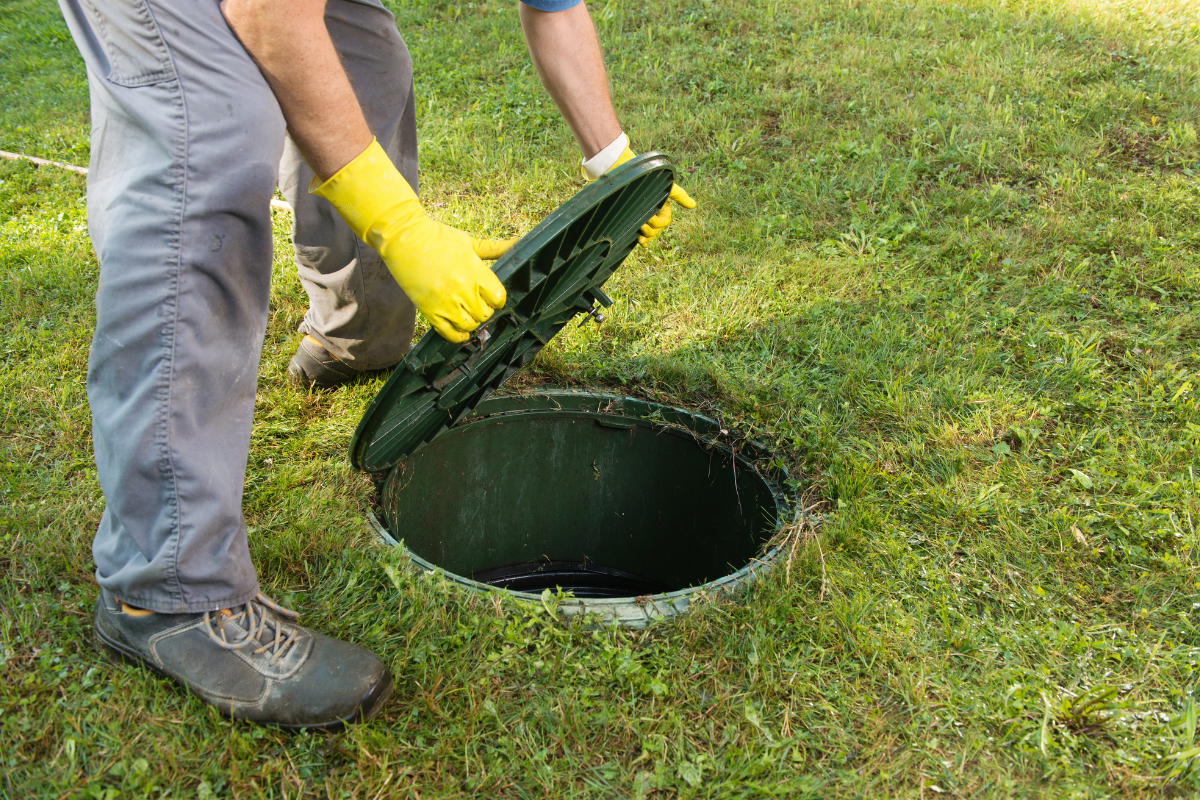
Do know where your system is located. This sounds obvious, but many new homeowners have no idea where the tank and drain field are situated on their property. Ask the previous owner or check with your local health department for the as-built diagram filed when the system was permitted. Keep a copy and mark the locations so you can avoid the area when landscaping, parking, or planning additions.
Do spread out your water usage. Your septic system can only process so much water at a time. Running the dishwasher, washing machine, and multiple showers simultaneously sends a surge of water into the tank that can push solids into the drain field before they have been properly broken down. Stagger water-heavy activities throughout the day and across the week. One or two loads of laundry per day is far easier on the system than five loads on a Saturday morning.
Do use septic-safe products. Not every cleaning product belongs in a septic system. Look for products labeled “septic safe” or “biodegradable.” Liquid detergents are generally safer than powdered versions, which can contain clay fillers and phosphates that do not dissolve fully. For drain maintenance, biological treatments that use live bacteria to break down organic buildup are far more compatible with your system than chemical alternatives. BioOne is formulated with live, vegetative bacteria that support the microbial balance your tank depends on, and it carries the EPA Safer Choice label, meaning every ingredient has been independently screened for human health and environmental safety.
Do fix leaks promptly. A running toilet or dripping faucet might seem minor, but the constant trickle of water adds up. A single running toilet can send hundreds of extra gallons per day into the septic system, contributing to hydraulic overload that strains the drain field over time.
Do keep records. Maintain a simple log of when the tank was last pumped, any inspections or repairs, and the products you use for maintenance. These records are valuable for tracking your system’s health over time and are often required if you sell the property.
The Don’ts
Don’t flush anything that doesn’t break down. The only things that should go down your toilet are human waste and toilet paper. Wipes (including those labeled “flushable”), feminine hygiene products, paper towels, cotton swabs, dental floss, diapers, and cat litter do not break down in a septic tank. They accumulate in the tank, contribute to sludge buildup, and can clog the outlet baffle or migrate into the drain field.
Don’t pour grease or cooking oil down the drain. Fats, oils, and greases (FOG) float to the top of the tank and thicken the scum layer. In large enough quantities, they can escape the tank and clog the drain field, where remediation is expensive and often requires professional intervention. Collect cooking grease in a container and dispose of it with your regular trash.
Don’t use chemical drain cleaners. Products containing sulfuric acid, lye, or sodium hydroxide are among the most damaging substances you can introduce to a septic system. They kill the beneficial bacteria your tank needs to function and can corrode pipes and tank walls. If you have a slow drain, a plumber’s snake or a biological treatment like BioOne is a far safer option.
Don’t drive or park on the drain field. The soil above and around your drain field needs to remain loose and permeable for effluent to filter properly. Vehicle traffic compacts the soil, reduces its ability to absorb water, and can crack or collapse distribution pipes. Keep cars, trucks, heavy equipment, and even riding mowers off the drain field area.
Don’t plant trees or deep-rooted shrubs near the system. Tree roots are one of the most common causes of drain field damage. They grow toward moisture and can infiltrate distribution pipes, causing blockages and structural damage. Grass is the safest ground cover over and around the drain field. Keep trees at least 30 feet away, and farther for species with aggressive root systems like willows, maples, and elms.
Don’t connect water features to the septic system. Roof drains, sump pumps, and foundation drainage should never discharge into the septic system. The additional water volume overwhelms the tank and the drain field, reducing treatment efficiency and accelerating wear on both components. Make sure these features drain away from the system, not into it.
Don’t ignore warning signs. Slow drains throughout the house, gurgling pipes, sewage odors near the tank or drain field, standing water above the drain field, or unusually green patches of grass over the leach lines are all signals that something is wrong. Catching problems early can mean the difference between a routine service call and a system replacement that runs $5,000 to $30,000 or more.
Building a Simple Maintenance Routine
The best thing you can do for your septic system is establish a basic maintenance routine and stick with it. Pump on schedule. Be mindful of what goes down the drain. Spread out water usage. And support the biological health of the tank with a monthly treatment.
BioOne makes this last step simple. A single 4-ounce dose once per month replenishes the live bacteria that household products gradually deplete. After a fresh pump-out, when the tank’s bacterial population is at its lowest, a larger initial dose helps re-establish the microbial balance the system needs to begin processing waste effectively again. It requires no premixing, no special tools, and takes less than a minute.
Browse BioOne products here or call Aqua Pro Solutions at (828) 255-0772 for guidance on the right maintenance plan for your system.